Evidence and features beyond three minutes
The main three-minute real-footage demo is the same film prepared for the submission and X. It uses a separate synthetic English narrator, original music, captions and actual video clips throughout. It opens on the running animated product front page and includes the supplied Docker walkthrough. Cuts remove waiting; speed changes are labelled. No held screenshot scenes or simulated model responses are used. The phone task is separate, usage is a local estimate, and the recorded Docker terminal mode mounts the selected project.
Real recording evidence
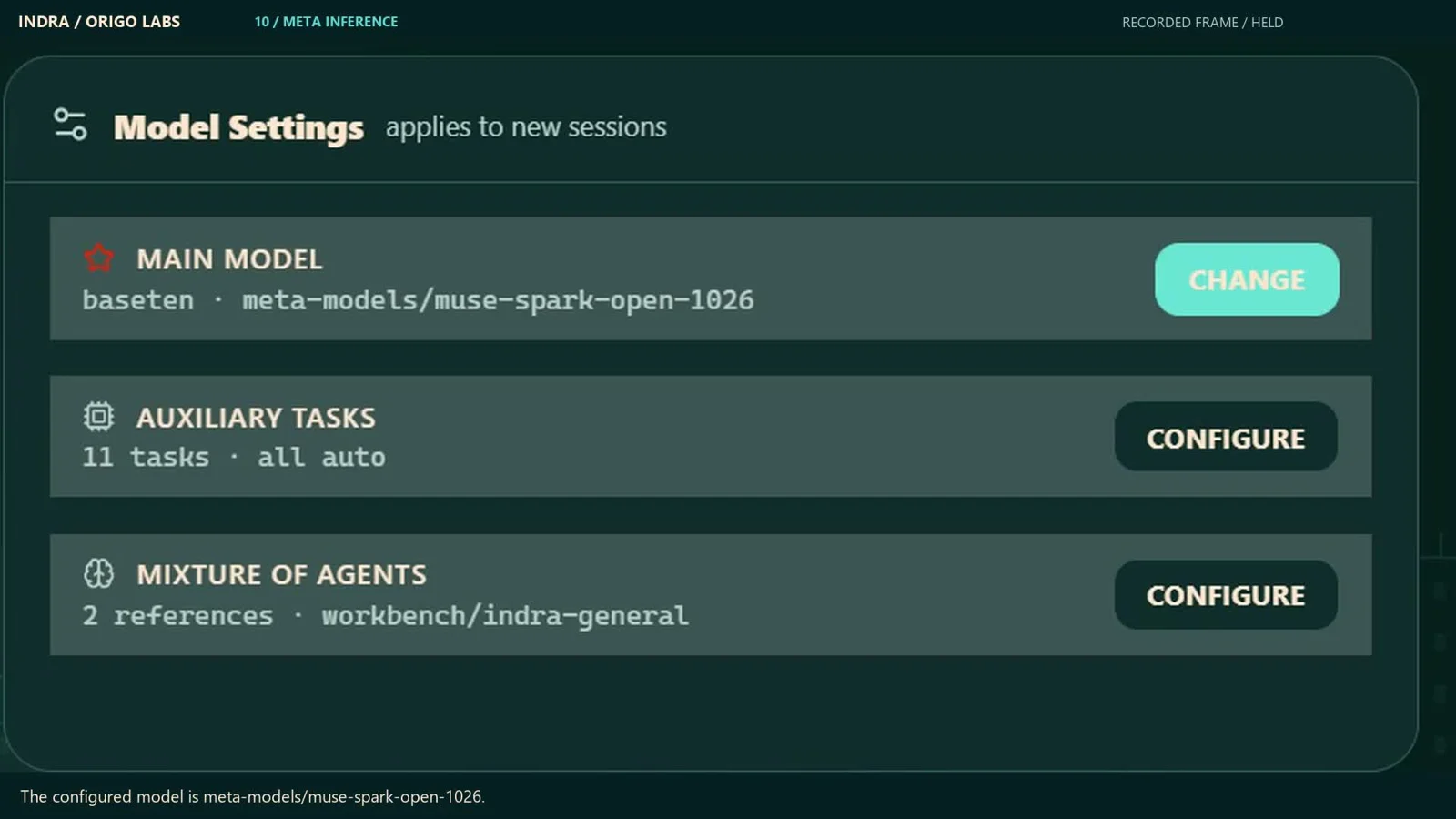
The selected model is Baseten / meta-models/muse-spark-open-1026. Settings alone do not prove every call; inspect the task output and audit in the recording as well.
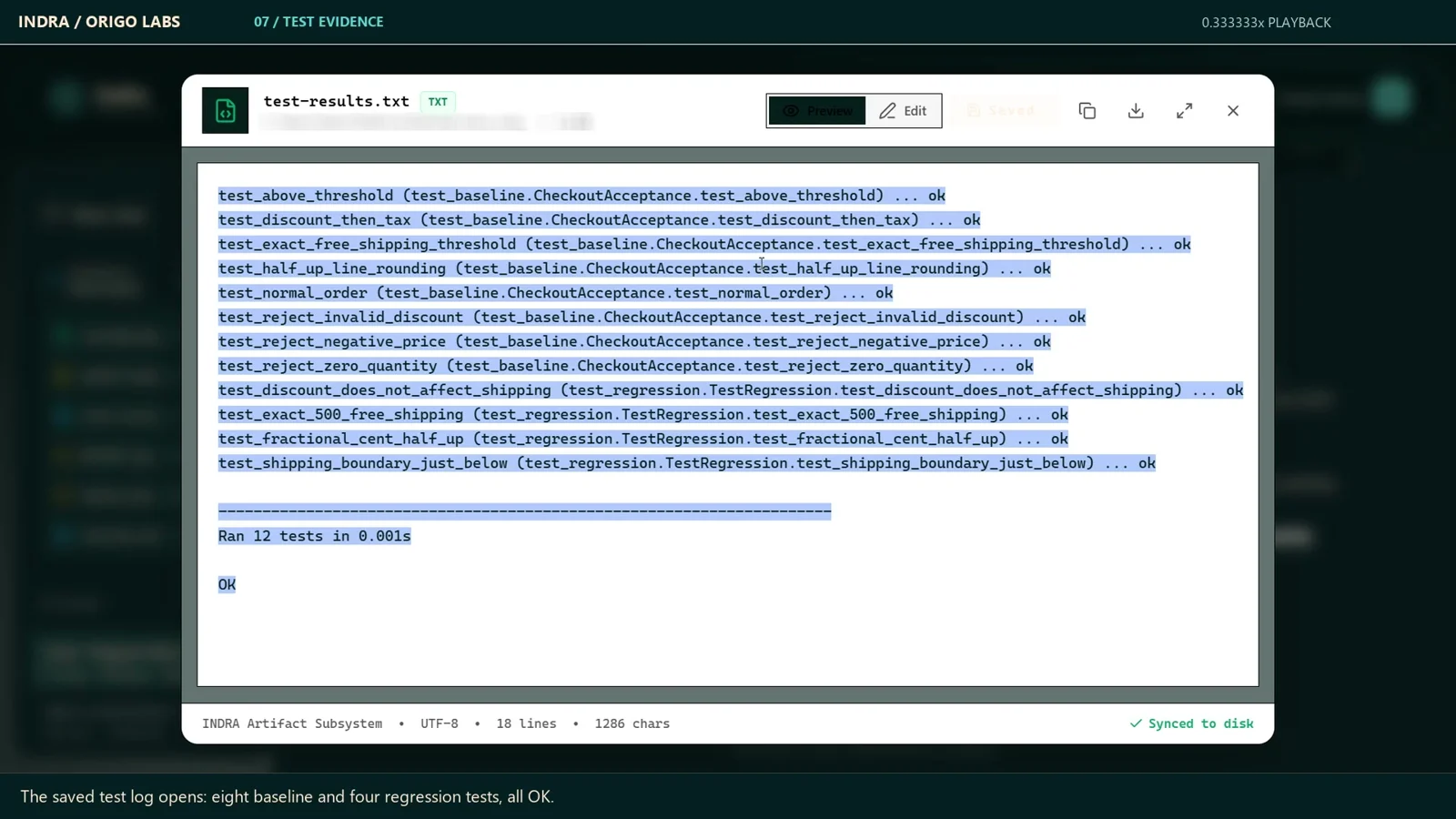
The actual task output reports 12 passing tests. Completed source and generated files are published separately from the failing starter, enabling independent replay.
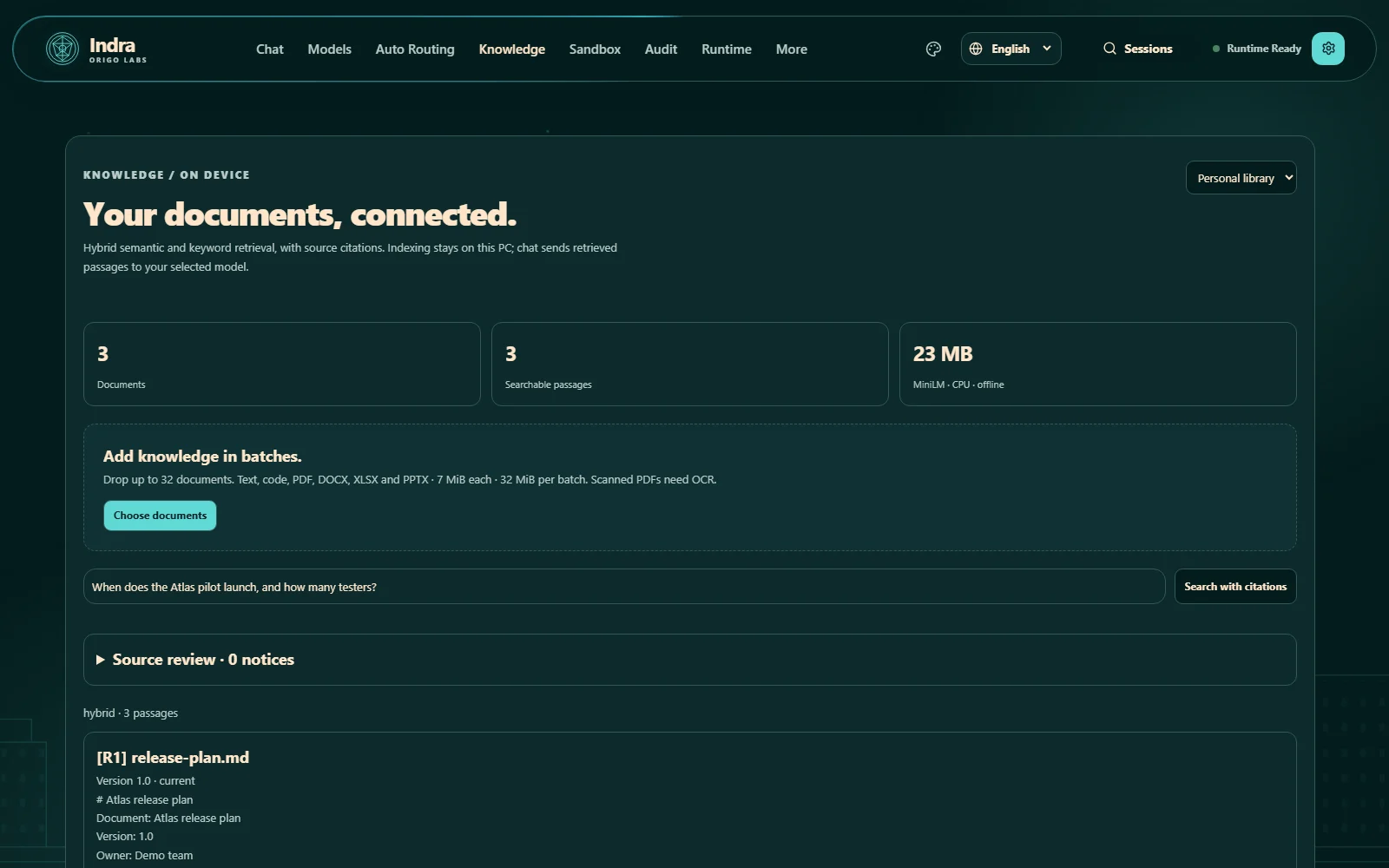
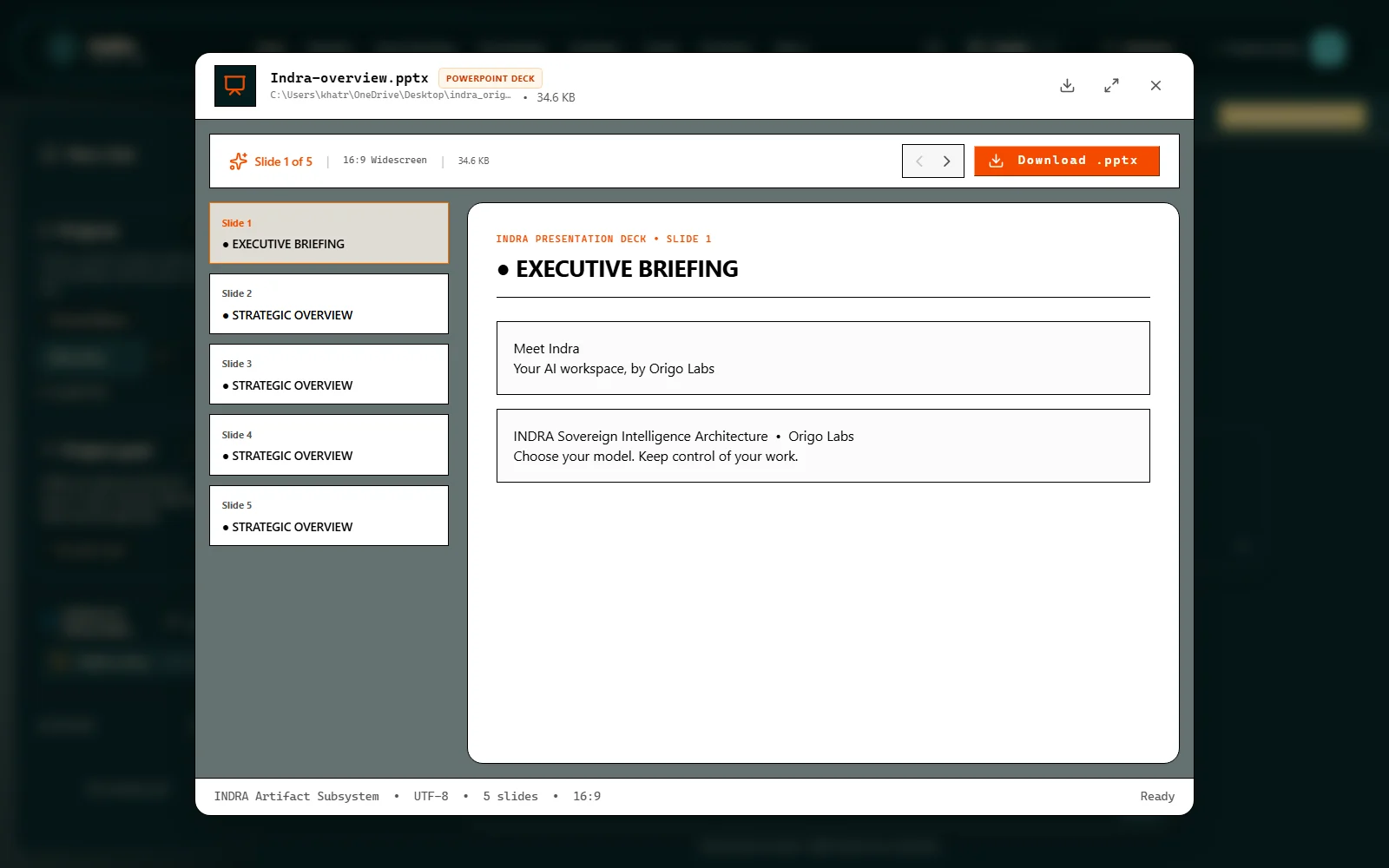
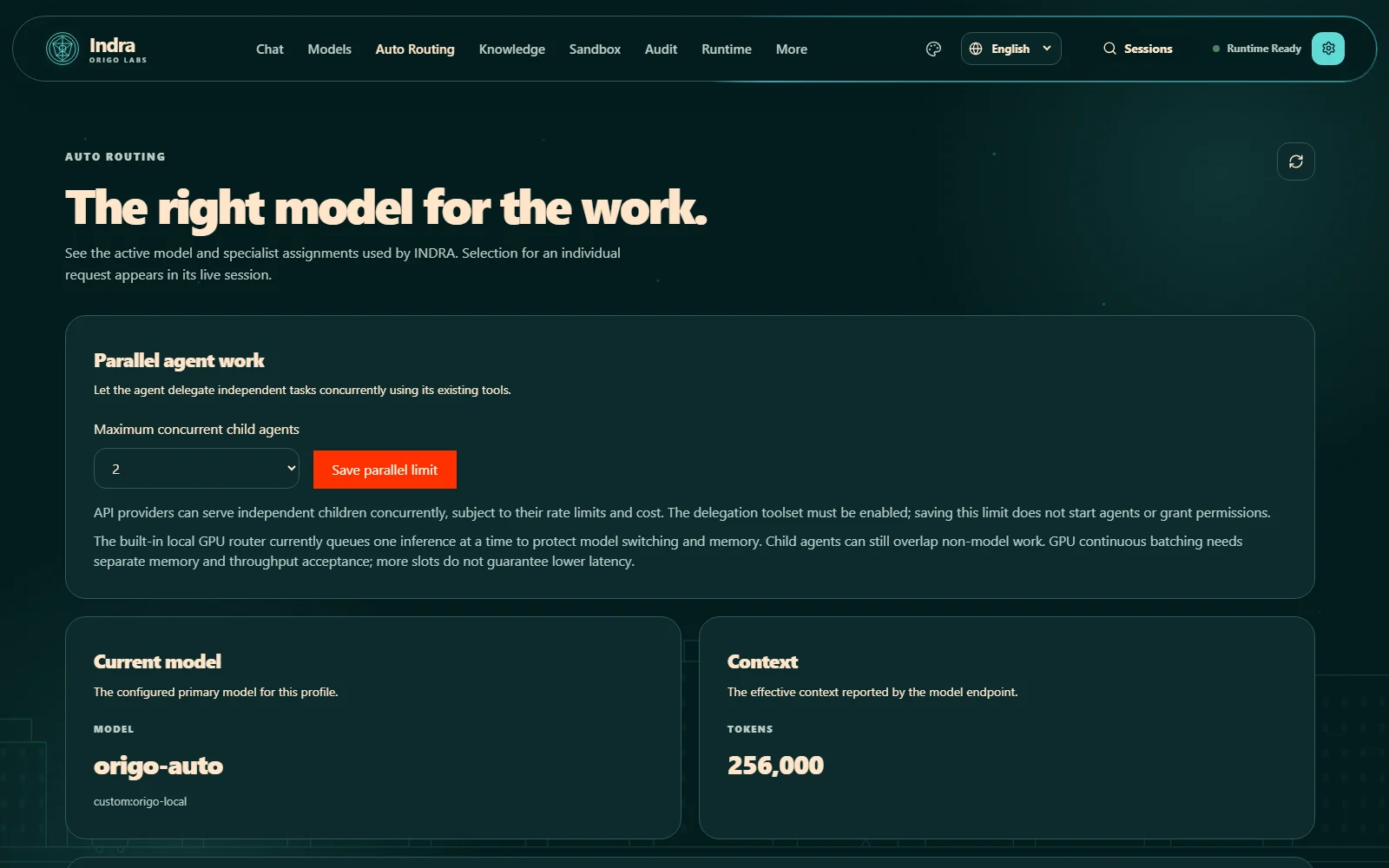
Workbench gallery
The following screenshots were captured from an isolated running workbench with demo data. They illustrate implemented UI, not additional live provider-call claims. Fixture metrics are not benchmark results.
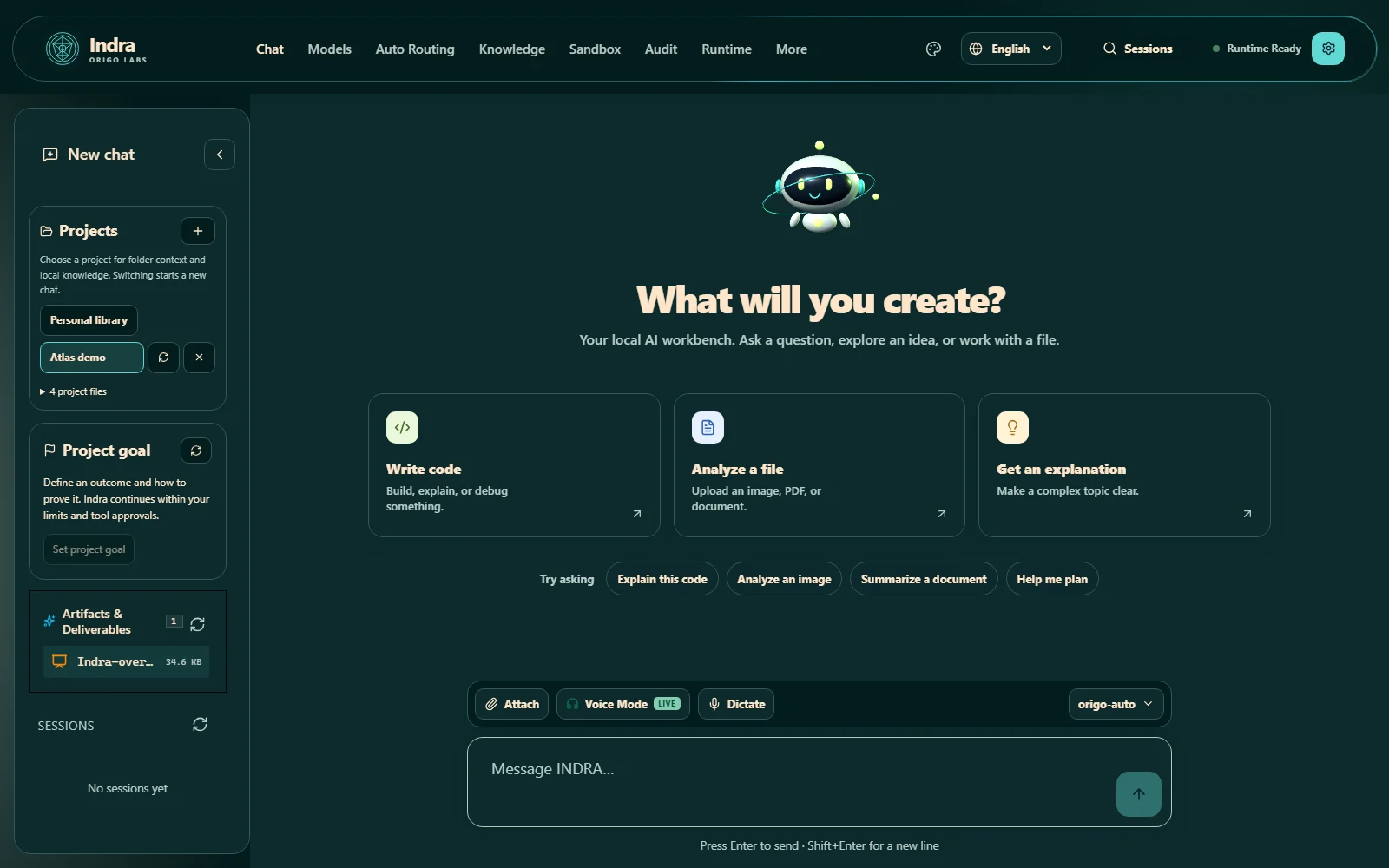
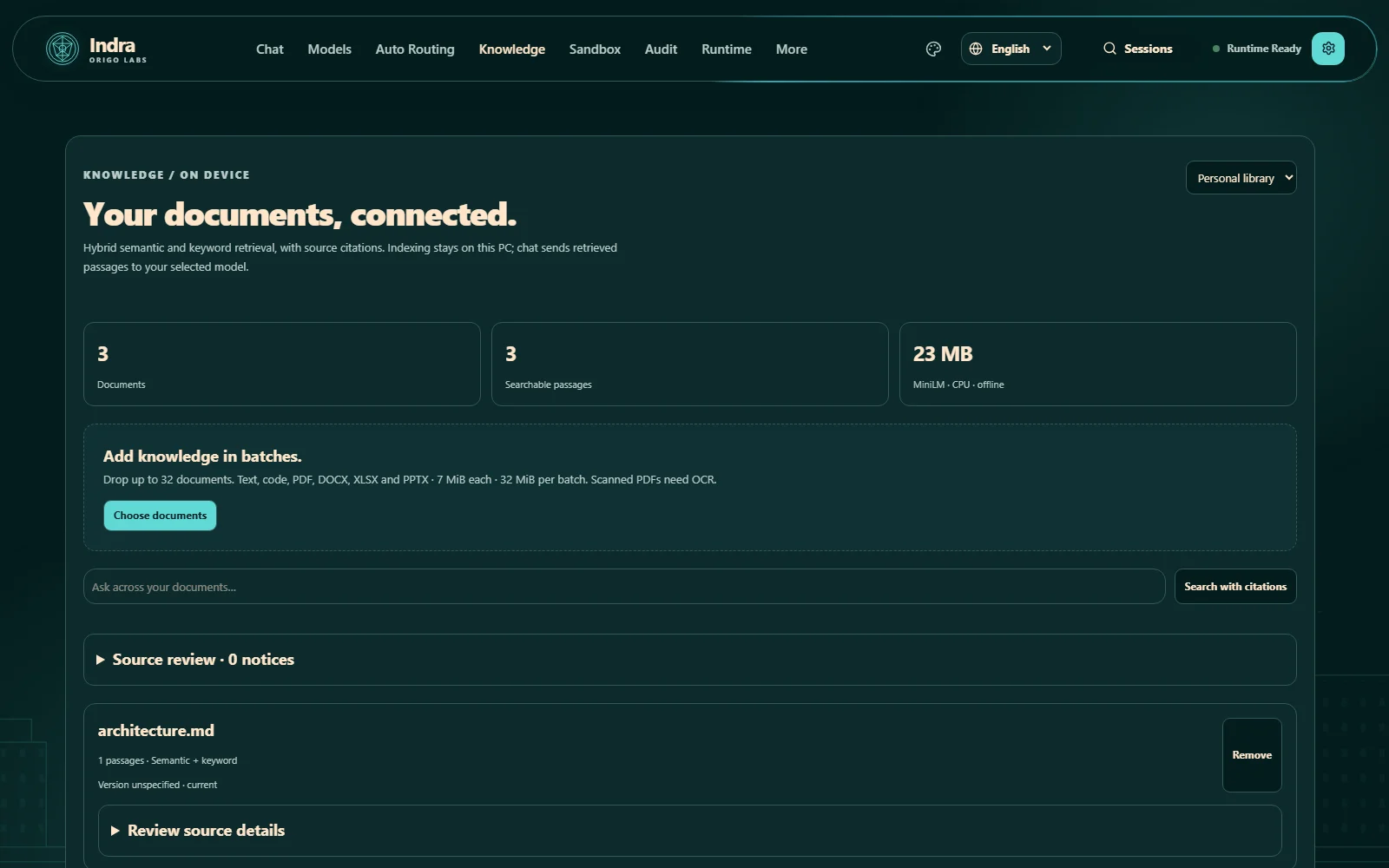
Voice and appearance
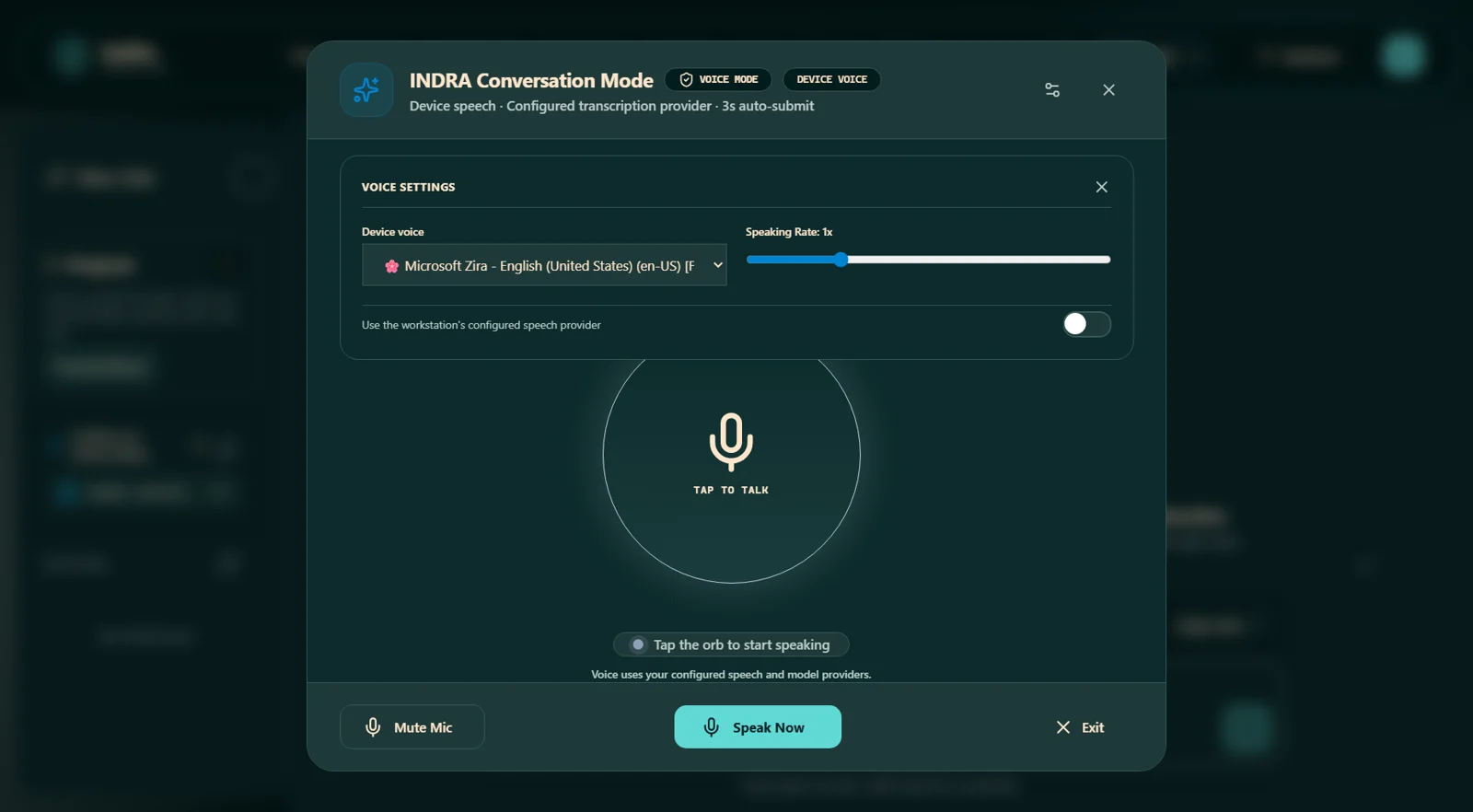
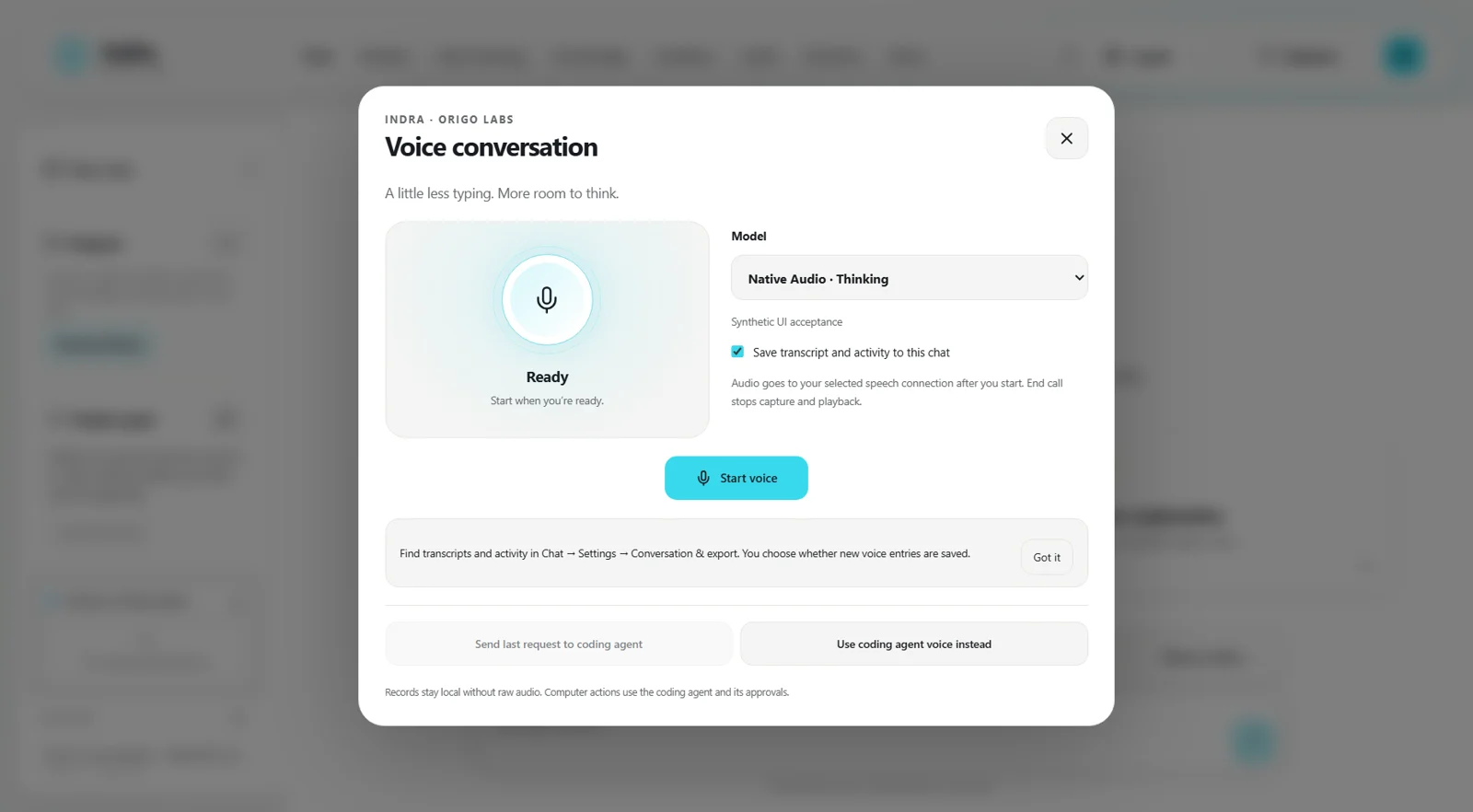
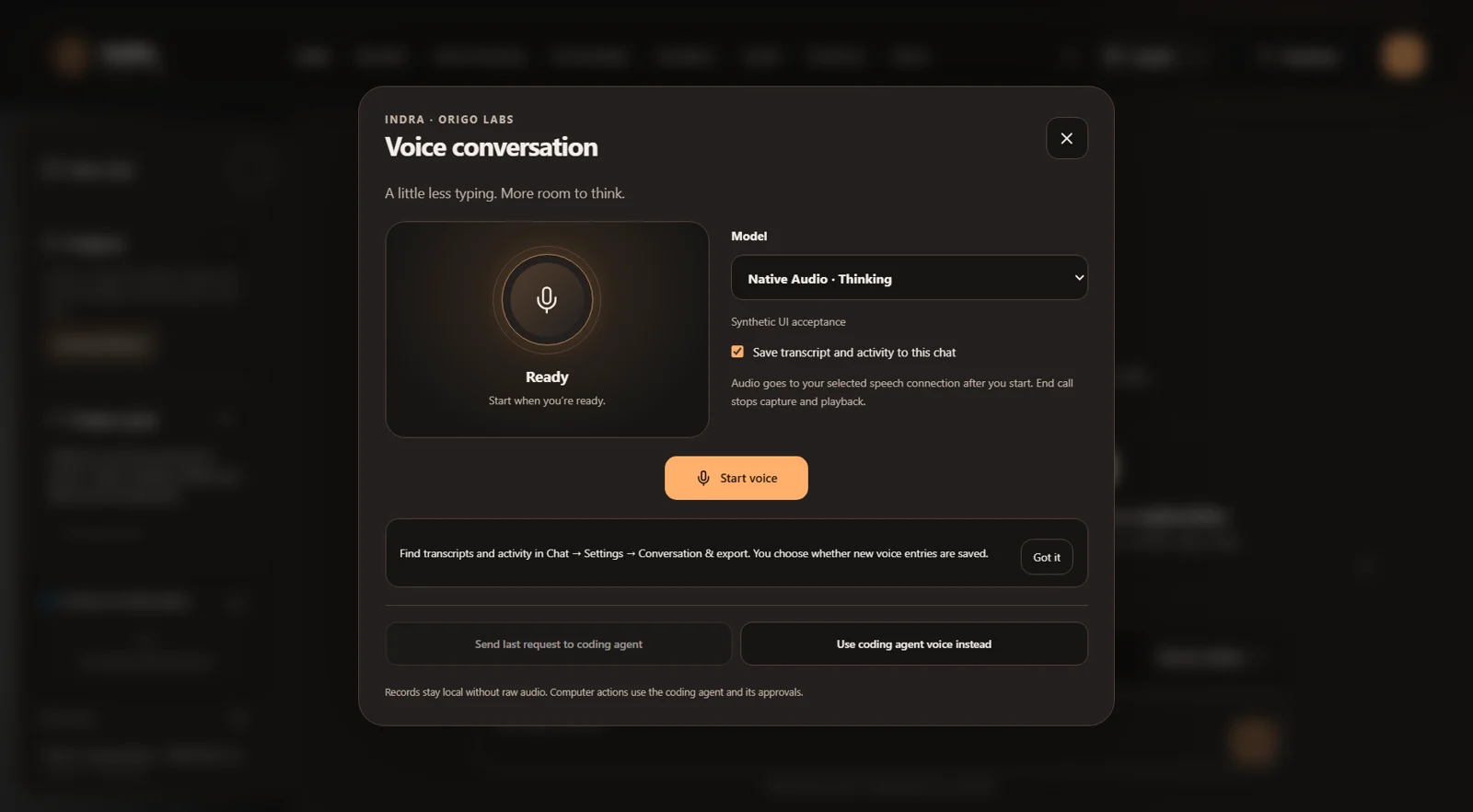
Watch eight seconds of the real voice interface. This silent clip shows the actual recorded voice UI, not a claim of native Meta audio inference or unlimited voice access.
These isolated UI captures show the voice controls across teal, light and ember themes. They do not establish unlimited speech access or successful live audio inference for every provider.
What is deliberately excluded
Raw recordings include private settings and unrelated dialogs, so they are not public assets. Personal chat databases, bot handles/session material, API keys, signing keys and full runtime outputs are excluded. The public output sample is a reviewed fictional task. See limits before repeating demo claims.